
Commercial
LVT vs Carpet Tile for Huntsville Offices and Churches
By Lucas Souza, Perfectum Floors
Published October 14, 2026

The short answer
For Huntsville offices and churches, LVT is harder-wearing and easier to clean, while carpet tile is quieter, warmer and hides soil between cleanings. Both install in sections to limit downtime and both replace tile by tile. The right pick depends on acoustics, traffic and how the space is used.
Commercial floors answer to different questions than the ones in your house. How loud is the room? How hard is it to clean on a schedule? How much business or service time do you lose while it goes in? For a Huntsville office or church weighing luxury vinyl tile against carpet tile, those practical questions matter more than looks. Here is how the two really compare.
Which lasts longer in a commercial space — LVT or carpet tile?
Both are built for commercial traffic, but they wear differently. LVT — luxury vinyl tile — resists scratches, rolling chairs and spills, and it keeps looking the same for years with simple cleaning. Carpet tile wears by crushing and soiling in the traffic lanes, though a good commercial carpet tile is engineered to hide that longer than broadloom.
The repair story is similar for both, and it is a real advantage over sheet goods. Damage one area and you lift and replace individual tiles rather than redoing the room — as long as you kept attic stock from the original lot.
| Factor | LVT | Carpet tile |
|---|---|---|
| Durability | Very high; shrugs off chairs and spills | High; wears by crushing and soiling |
| Cleaning | Damp mop; spills wipe up | Vacuum plus periodic extraction |
| Noise | Harder, louder underfoot | Absorbs sound; quieter rooms |
| Comfort | Hard surface | Softer and warmer to stand on |
| Repair | Replace tile by tile | Replace tile by tile |
| Moisture | Handles spills well | Holds moisture; dries slower |
The table gives starting points, not verdicts. A premium carpet tile outlasts a cheap LVT, and a heavy-traffic corridor chews through a light-duty product of either kind. Match the grade of the product to the traffic the room actually sees, and both floors can post a long service life.
Planning a floor for an office or church in Madison or Madison County? We will walk the space, test the slab and lay out a plan that limits your downtime. Call (904) 533-7260.
Call (904) 533-7260
How does each handle noise and comfort?
This is where carpet tile earns its keep. It absorbs sound, softening the footsteps, rolling chairs and voices that echo across a hard floor. In an open office, a sanctuary or a meeting space, that quiet is worth a lot. Carpet is also warmer and easier on the legs for people who stand a while.
LVT is harder and louder. You can manage that with rugs, acoustic ceiling treatments and the right underlayment, but a large LVT floor will always carry more noise than carpet tile. In rooms where quiet matters — offices with a lot of calls, or a worship space — that is a real consideration you should weigh before the look of the floor.
Match the floor to the room, not the whole building
Most offices and churches are best served by a mix. Put hard-wearing LVT in entries, corridors, kitchens, restrooms and fellowship halls where spills and traffic are heavy. Use carpet tile in offices, classrooms and sanctuaries where quiet and comfort matter. You do not have to pick one floor for the entire building.
What does maintenance cost over the life of the floor?
The install price is only part of the story. LVT is cheap to maintain — routine sweeping and damp mopping keep it looking right, and spills wipe up without a trace. That simplicity adds up in a building a cleaning crew services on a schedule.
Carpet tile needs regular vacuuming plus periodic deep extraction to pull out the grit and soil that dull it. It hides day-to-day traffic well between cleanings, which is part of its appeal, but it depends on that cleaning cadence to reach its full service life. When you compare the two, weigh the ongoing care, not just the number on the bid.
Which causes less downtime to install?
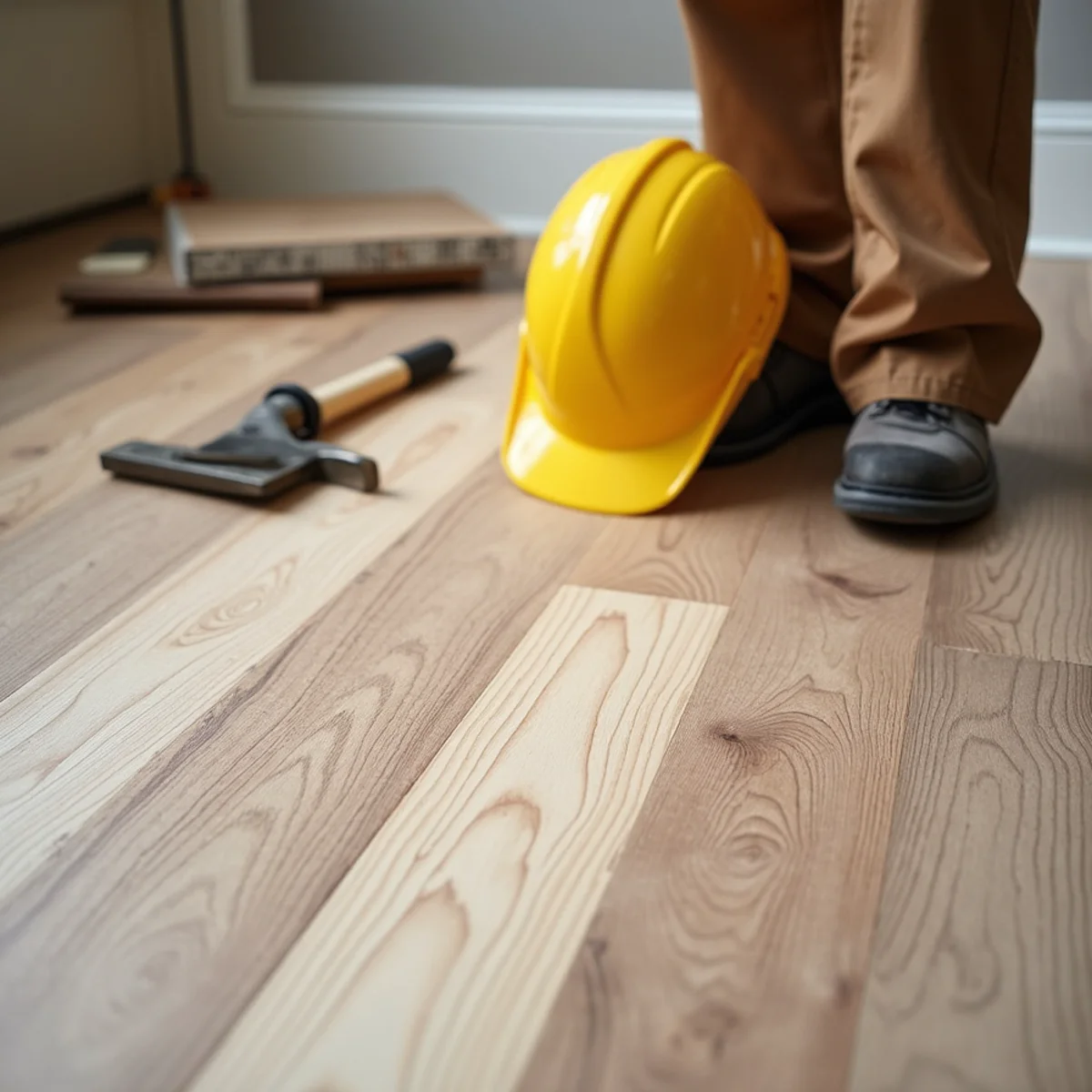
Downtime is often the deciding factor for a working office or an active church. Both floors can be installed in phases — a section at a time, over evenings or a weekend — so the space keeps operating. That phasing is easier than with materials that need the whole room done at once.
- Phase the work room by room or wing by wing so part of the space stays open
- Schedule disruptive areas for evenings, weekends or a low-use week
- Confirm the slab is dry before install so there are no surprise delays
- Move furniture and fixtures ahead of the crew, not during
- Order all material from one lot up front, plus attic stock for repairs
What about transitions between rooms and floor types?
A mixed building lives at the transitions. Where LVT meets carpet tile — at a corridor, a doorway or the edge of a sanctuary — you need a clean, durable transition that handles the slight height difference and takes constant traffic without lifting.
Plan these seams early. Rolling chairs, carts and crowds all hit transitions hardest, so the right trim and a solid install there prevent the peeling edge that looks shabby and becomes a trip hazard. In a commercial space, the transition detail is not an afterthought. A few extra minutes on the transition plan up front saves a callback a year down the road.

What does the slab have to do with it?
Most Huntsville commercial spaces sit on a concrete slab, and the slab’s moisture decides what can go down and how. Both LVT and glue-down carpet tile depend on a dry, sound slab, and moisture coming up through concrete is the most common cause of commercial floor failures and adhesive problems.
The industry standard for assessing a slab before flooring is ASTM F710, which covers how the slab is prepared and tested for moisture. Testing the slab first — rather than assuming it is dry — is what keeps a new commercial floor from lifting or bubbling a year later. On a large space, that test is a small line item that protects the whole investment.
How do budget and lifespan compare?
Up-front price is only one piece. The fuller picture weighs the install cost, the ongoing cleaning, and how long the floor lasts before it needs replacing. A floor that costs a little more to put in but cleans easily and lasts longer often wins over the life of the building.
We do not publish per-foot pricing, because an honest number depends on the product grade, the slab prep, the square footage and the phasing your space needs. What we can promise is a written, itemized quote that lays those lines out so you can compare bids on equal footing.
Factor in downtime, too. For a working office or an active church, the hours you lose during install are a real cost. A floor that can be phased in around your schedule may be worth more than a slightly cheaper one that shuts a wing down.
How do you choose for an office versus a church?
The use pattern points the way. A church has a few heavy-use days and lots of varied spaces — a sanctuary that needs quiet, a fellowship hall that takes spills, entries that see crowds. That naturally calls for a mix, with carpet tile in the worship space and LVT in the hard-use areas.
An office leans on its daily pattern. Heavy rolling-chair zones, break rooms and corridors do well in LVT; quiet work areas and conference rooms do well in carpet tile. In both buildings, the smart plan assigns the floor to the room rather than forcing one choice everywhere.
Think about who uses each room and when. A daycare wing, a gym or a multipurpose room has its own mix of spills, noise and traffic, and each may want a different answer. Walking the building room by room with those patterns in mind is how you land on the right plan. The best plan on paper can still miss a room you only see in use, so a walk-through during a normal workday or a Sunday service is time well spent before anything is finalized.
The bottom line on LVT versus carpet tile
For Huntsville offices and churches, neither floor wins outright — the room decides. LVT is tougher and easier to clean; carpet tile is quieter and more comfortable. Both install in phases to protect your downtime and both repair tile by tile if you keep attic stock. Test the slab first, match each floor to how its room is used, and you get a building that works as hard as you do.
FAQ
Frequently asked questions
Services
Related flooring services
Service areas